
We'll set you up with the right plan for your vehicle
What Vehicle
Servicing Involves
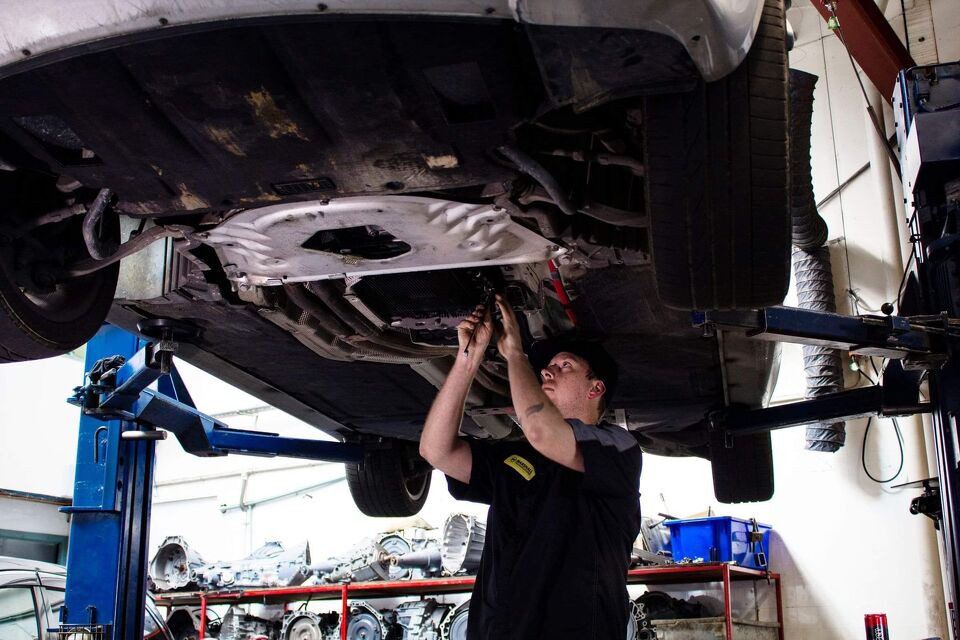
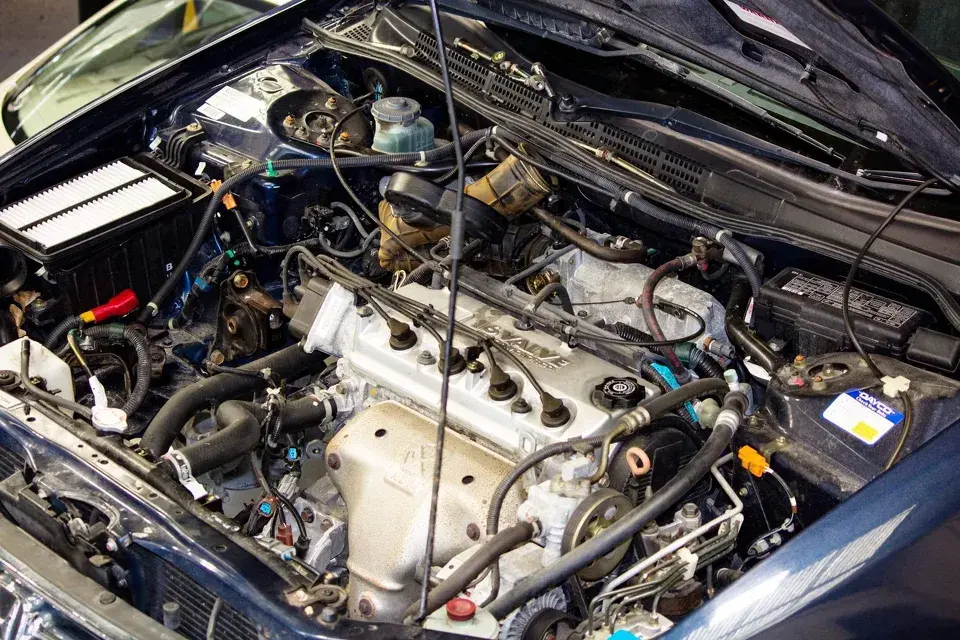
A vehicle service is a scheduled inspection and maintenance check carried out by a qualified mechanic. It covers your engine, transmission, brakes, steering, suspension, and other key components, along with routine items like oil and filter changes.
We recommend servicing your vehicle every 10,000km or once a year, whichever comes first. If you're a high-mileage driver, or you run an older diesel (or similar) vehicle, an interim service every 5,000km or six months should also be part of your annual maintenance plan. Whether it's a basic oil change on your everyday runaround or a manufacturer-recommended service schedule for a fleet of trade vehicles, our team will set you up with the right plan for your vehicle.
We also carry out Warrant of Fitness (WOF) checks, so you can get your servicing and your WOF inspection sorted in one visit. A WOF confirms your vehicle meets New Zealand's minimum safety standards and is a legal requirement to keep your vehicle on the road.
What's Included
Every service is tailored to your vehicle's make, model, and condition, but typically includes:
Oil and filter changes, fluid level checks and top-ups, a full transmission diagnostic and inspection, brake, steering, and suspension checks, tyre condition and pressure checks, and a general health check of belts, hoses, and other wear components.
Our WOF checks cover the items required under the NZTA WOF inspection standard, including brakes, steering, suspension, tyres, lights, seatbelts, windscreen and wipers, structure, and other safety-critical components.
If we find an issue during your service or WOF check, we'll explain what it is, why it matters, and what it will cost to fix, before we do any further work.
Common Signs Your Vehicle Needs a Service or WOF Check
Some issues are easy to miss until they become serious. If you notice any of the following, book your vehicle in so the team can diagnose what's actually going on:
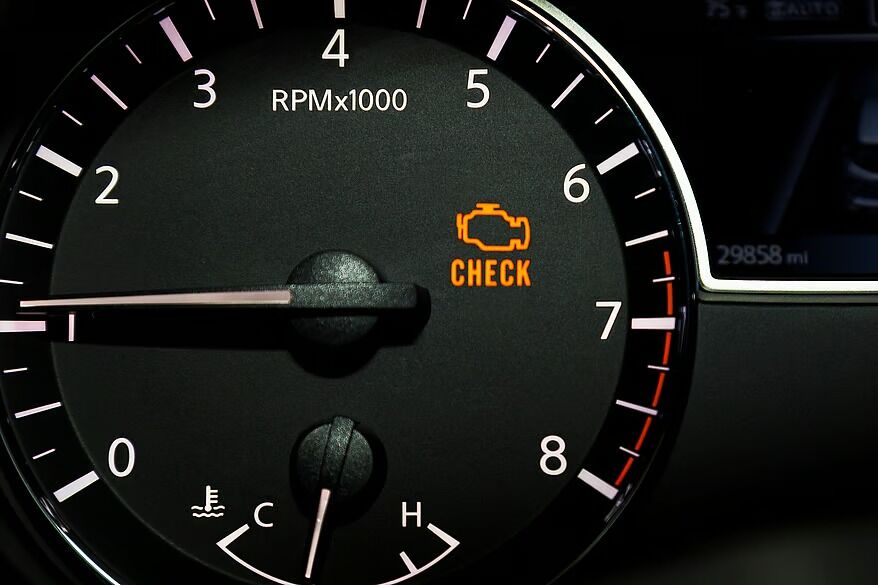
a warning light on your dashboard, unusual noises when accelerating, braking, or changing gear, a burning smell or fluid leaks under the vehicle, delayed or rough gear changes, reduced fuel economy, or vibration or shuddering while driving. These symptoms don't always mean your vehicle needs a full service, but they do need a proper look.
You'll also need a WOF check if your current warrant is due to expire or you've recently bought a used vehicle. If you're dealing with an issue that might affect your WOF, such as worn tyres, a warning light, or a fault with your lights, wipers, or seatbelts, get it looked at rather than waiting for your WOF to fall due. The team can tell you whether it needs fixing now or can wait.
If it's simply been a while since your last service or WOF, or you can't remember when it was, that's reason enough to book one in.
Why Regular Servicing and WOF Checks Matter
Regular transmission and vehicle servicing isn't just about keeping your car running. It directly affects your safety on the road and the long-term cost of owning your vehicle.
Vehicles serviced regularly perform better, use less fuel, and are far less likely to break down unexpectedly. Small issues in a transmission, in particular, can develop into major, costly damage if left unchecked. Catching these problems early, during a routine service, is almost always cheaper and safer than dealing with a breakdown or component failure later on.
Regular servicing also covers the parts of your vehicle that keep you and other road users safe, including your brakes, steering, and suspension. A current WOF is a legal requirement for New Zealand vehicles, and it's your assurance that these safety-critical systems have been checked and meet the required standard.
What to Expect
From Our Team
Our technicians use up-to-date diagnostic equipment to assess your vehicle accurately and work efficiently, so you're not left waiting longer than necessary.
We keep you informed throughout the process. If we find any issues during your service or WOF check, we'll contact you and get your go-ahead before carrying out any repairs. Our pricing is clear and transparent from the start, with no surprise costs added later. You're always in control of what work is done on your vehicle, and when.
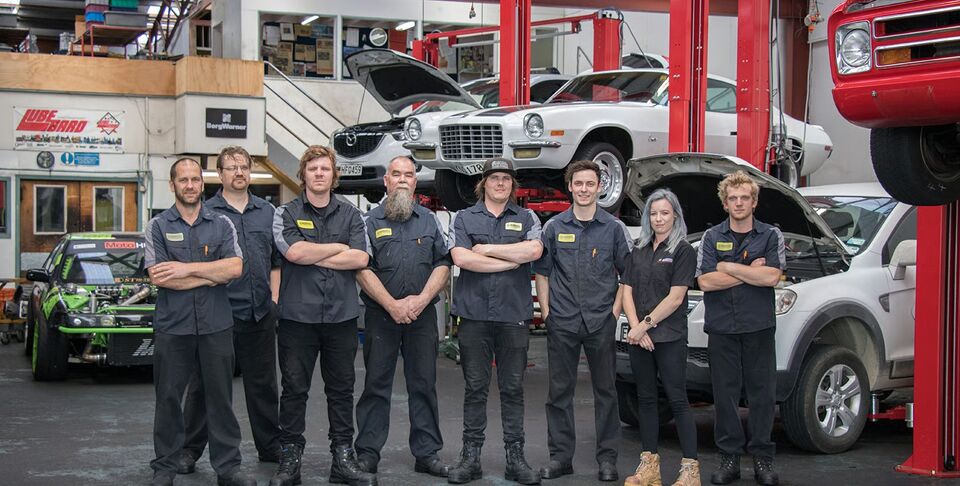
Over 40 Years of Expertise
Frequently Asked Questions
How often should I service my vehicle in New Zealand?
As a general rule, service your vehicle every 10,000km or once a year, whichever comes first. High-mileage drivers and older diesel vehicles benefit from an additional interim service every 5,000km or six months.
What's the difference between a full service and an interim service?
A full service covers a comprehensive check of your engine, transmission, brakes, steering, suspension, and fluids, along with oil and filter changes. An interim service is a lighter check between full services, aimed at high-mileage or older vehicles that need more frequent attention to stay reliable.
What happens if a problem is found during my service?
We'll stop, explain what we've found and why it matters, and give you a clear cost before doing any additional work. Nothing gets repaired without your approval first.
Can regular servicing actually prevent transmission damage?
Yes. Most major transmission failures start as minor issues, such as a slipping gear change or a small fluid leak, that are simple and inexpensive to fix when caught early. Regular servicing is how those issues get picked up before they turn into a full transmission rebuild or replacement.
Do you service all makes and models, including fleet vehicles?
Yes. Our team services a wide range of vehicles, from everyday runarounds to manufacturer-scheduled servicing for fleet and trade vehicles.
How do I know if my vehicle is due for a service?
Check your dashboard for a service reminder light, review your logbook or last invoice for the date and odometer reading, or get in touch with our team and we can check your service history for you.
Can I get my WOF and service done at the same time?
Yes. We carry out WOF checks alongside servicing, so you can get both done in a single visit rather than booking two separate appointments.
What happens if my vehicle fails its WOF?
We'll walk you through exactly what needs fixing and why, along with a clear cost for the repair. Once the work is done, we'll recheck those items and issue your WOF.
How often does my vehicle need a WOF?
This depends on your vehicle's age and registration date. Most vehicles need a WOF check either every six or twelve months. If you're unsure of your vehicle's WOF due date, our team can check this for you.