
Over 40 Years of Expertise
What is a clutch repair?
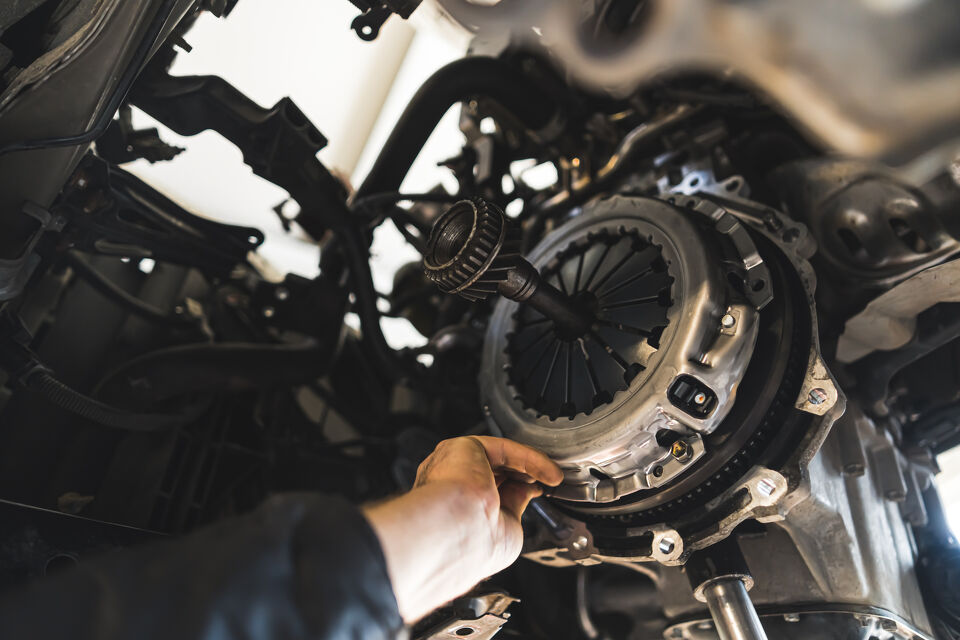
The clutch is what connects your engine to your gearbox, letting you change gears smoothly by temporarily disconnecting engine power from the transmission. It's made up of several parts working together: the clutch disc, pressure plate, flywheel, release bearing, and the hydraulic or cable system that operates it.
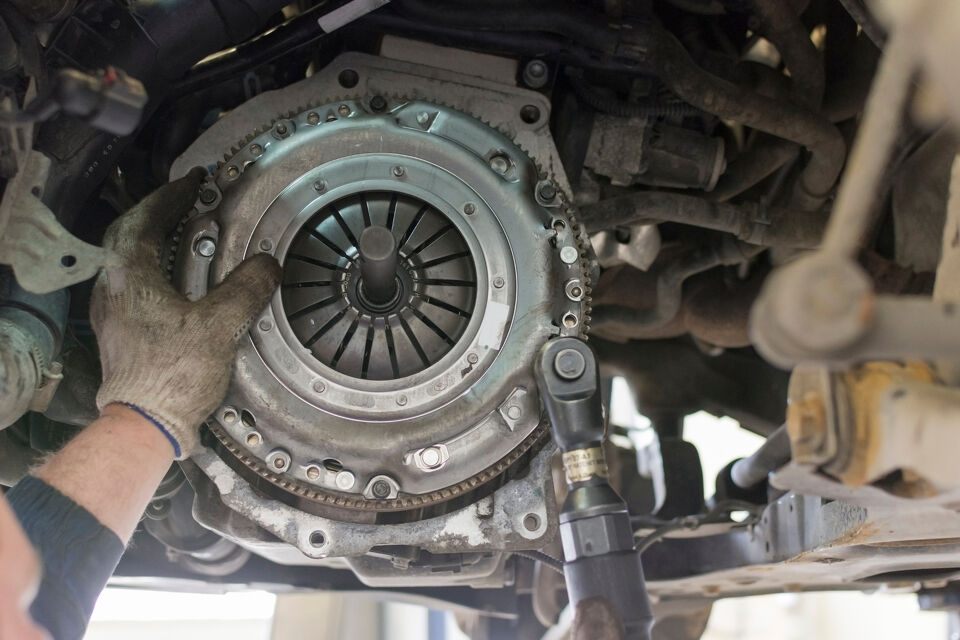
A clutch repair covers anything from replacing a single worn component to a full clutch kit replacement, depending on what's failed and why. Not every clutch problem means a full replacement. Sometimes it's a release bearing, a leaking slave cylinder, or a worn cable, and our team will only recommend the parts that actually need attention.
Common symptoms
of clutch problems
Most clutches last around 100,000km before they need attention, but that figure drops significantly with heavy towing, stop-start city driving, or a vehicle that hasn't had regular servicing. Watch for:
- Slipping – The engine revs increase without a matching increase in speed, especially noticeable going uphill or under acceleration.
- A burning smell – Usually a sign the clutch is slipping and overheating, often after towing or hill starts.
- Sticking or a spongy pedal – The clutch pedal feels stiff, sticks to the floor, or doesn't return properly, which often points to a hydraulic fault.
- Grinding or unusual noises – Noises when pressing the pedal or changing gear can indicate a worn release bearing or pilot bearing.
- Difficulty changing gears – Gears feel like they're grinding or refusing to engage, particularly when the vehicle is cold.
- A high or changed biting point – If the point where the clutch engages has shifted noticeably, wear is usually the cause.
If you're noticing any of these, it's worth getting it looked at before it turns into a breakdown.
Why clutch repairs matter
A failing clutch doesn't stay a minor issue. Left too long, slipping accelerates, other components wear faster to compensate, and what could have been a straightforward repair turns into a bigger job, or a vehicle that won't move at all. For anyone who tows, drives for work, or relies on their vehicle daily, an unexpected clutch failure means downtime you can't afford.
Getting it assessed early also protects the parts around the clutch. A worn clutch puts extra strain on the flywheel and gearbox, so catching the problem sooner often means a smaller repair bill overall.
What to expect from our team
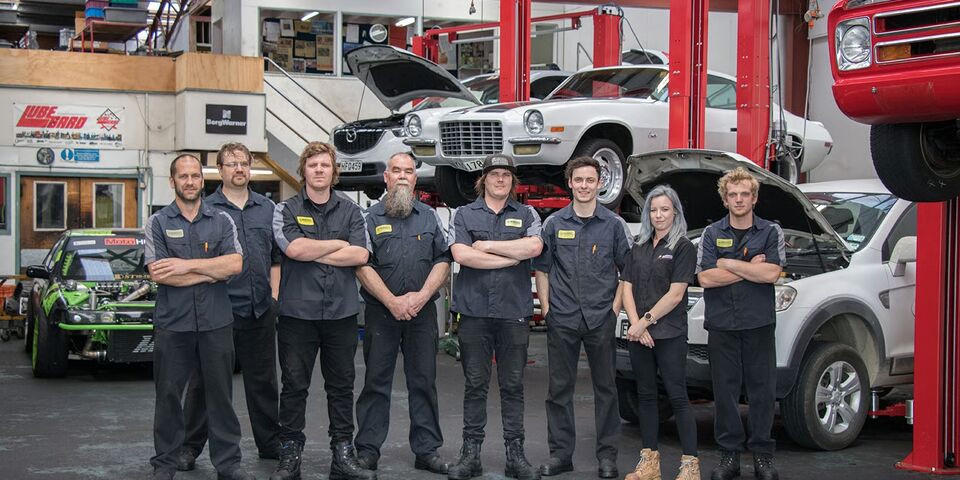
When you bring your vehicle to Marshall Transmissions & Automotive for a clutch repair, our technicians start with a proper diagnosis rather than guessing at parts. We'll explain what we've found, what needs replacing, and why, in plain language, before any work starts.
We use quality parts suited to your specific make and model, and every clutch job is test-driven before we hand the vehicle back, so you can be confident it's been done right. If towing capacity, driving style, or vehicle use has contributed to the wear, we'll flag that too, so you know what to expect going forward.
Over 40 Years of Expertise
Frequently Asked Questions
How long does a clutch last in New Zealand conditions?
Most clutches last around 100,000km, but this varies a lot depending on driving style and vehicle use. Vehicles used for towing, heavy loads, or frequent stop-start city driving typically see clutch wear much sooner, sometimes well under 60,000km, while a gently driven vehicle can exceed 100,000km before needing attention.
How do I know if it's my clutch or my gearbox?
Clutch problems usually show up as slipping, a burning smell, or a change in pedal feel, and tend to happen regardless of which gear you're in. Gearbox issues are more often gear-specific, such as grinding only in one gear, or difficulty selecting a particular gear even when the clutch pedal is fully depressed. A proper diagnosis is the only reliable way to tell the two apart, since the symptoms can overlap.
Can I keep driving with a slipping clutch?
You can in the short term, but it's not a good idea. A slipping clutch generates excess heat, which accelerates wear on the clutch itself and puts additional strain on the flywheel. Continuing to drive on a badly slipping clutch risks it failing completely, potentially leaving you stranded, and turns a repair into a more expensive replacement.
Does towing really affect clutch life that much?
Yes. Towing puts significantly more load through the clutch every time you pull away or change gear, which generates more heat and wear than normal driving. If you regularly tow a trailer, boat, or caravan, it's worth having your clutch checked more often than the standard service interval, since problems tend to develop faster under this kind of use.
How much does a clutch repair typically cost?
Cost depends on what's actually failed, whether it's a single component like a release bearing or a full clutch kit and flywheel replacement, as well as your vehicle's make and model. Because pricing varies so much by vehicle and fault, we always diagnose first and give you a clear quote before starting any work, so there are no surprises.
Is it worth repairing a clutch or should I just replace the whole vehicle?
In most cases, a clutch repair is a routine, cost-effective job and not a sign of a bigger problem with the vehicle. Unless the vehicle has other significant issues, replacing a worn clutch is generally far cheaper than replacing the car, and a well-repaired clutch will comfortably see you through another 100,000km or more.