
Over 40 Years of Expertise
What is a torque converter?
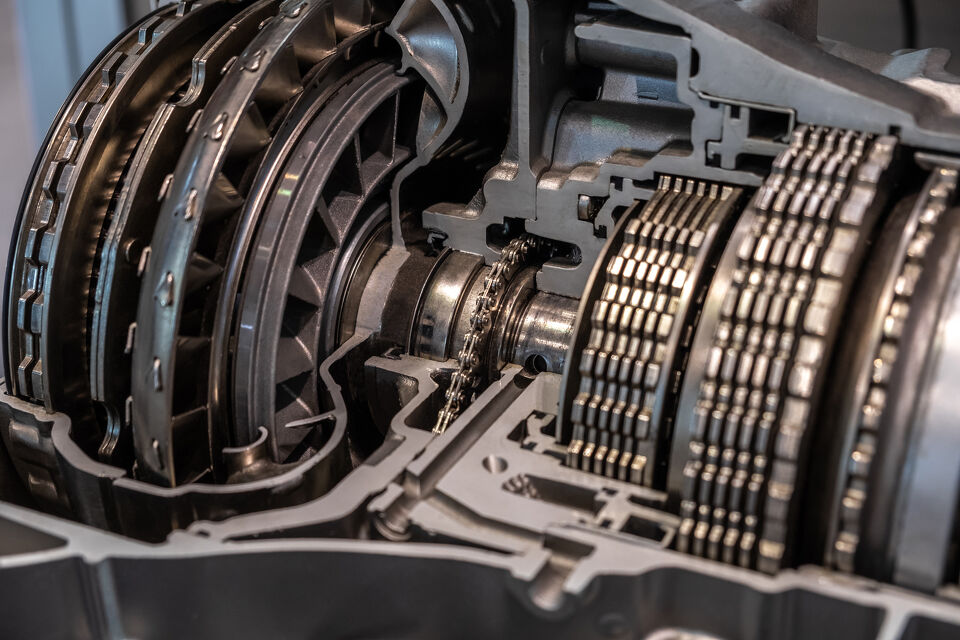
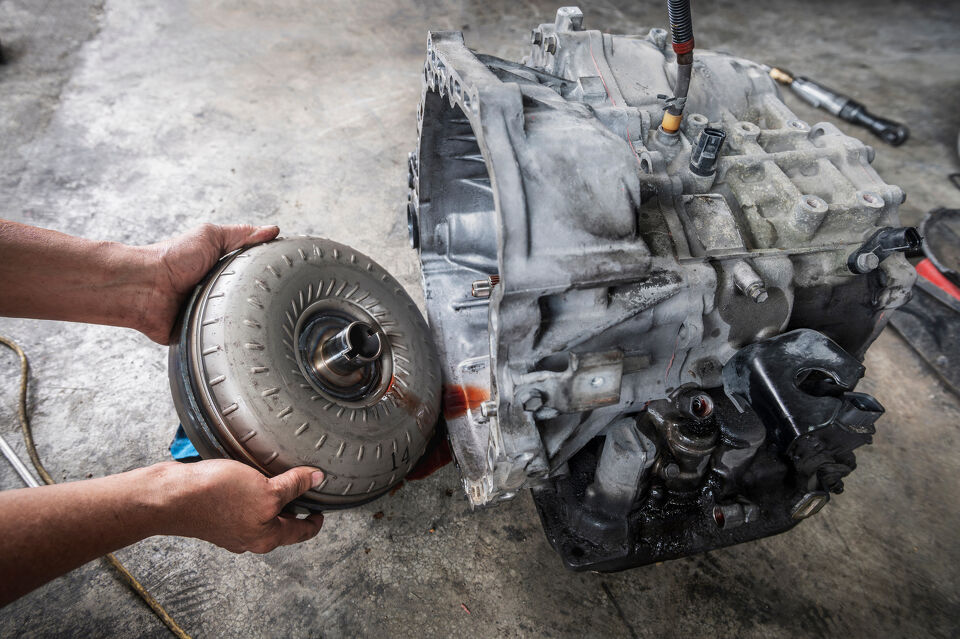
The torque converter sits between your engine and your automatic transmission. It uses transmission fluid to transfer power from the engine to the gearbox, allowing your vehicle to move smoothly from a stop without a clutch pedal. It also multiplies engine torque under load, which is why a worn or damaged converter affects acceleration, fuel economy, and how your vehicle shifts.
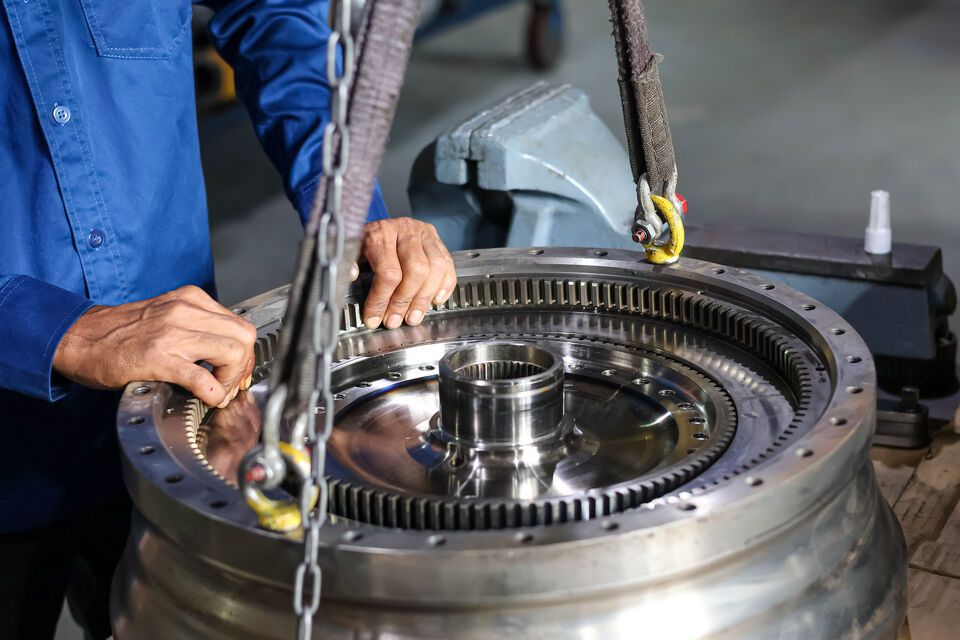
When a torque converter fails, your transmission can't do its job properly, even if the rest of the gearbox is in good condition. At Marshall Transmissions & Automotive, torque converter repair and rebuild is one of our core specialities. We work on private vehicles as well as industrial equipment, including forklifts, diggers, and trucks.
What's included in our torque converter service
Every torque converter that comes through our workshop is fully assessed before we recommend a repair or rebuild.
Our service includes:
- Diagnosis to confirm whether the torque converter, rather than another transmission component, is causing the fault
- Full disassembly and inspection of internal components, including the impeller, turbine, stator, and lock-up clutch
- Replacement of worn bearings, seals, needle thrust washers, and friction material
- Machining and resurfacing of clutch surfaces where required
- Balancing to manufacturer tolerances to prevent vibration and premature wear
- Pressure and leak testing before the unit goes back into your vehicle
- Reinstallation and road testing to confirm correct operation
We use quality parts suited to your vehicle or machine, and we won't recommend a full rebuild if a repair will do the job.
Signs you may need torque converter repair
Torque converter problems often show up gradually before they become serious. Common symptoms include:
- Shuddering or shaking, particularly at highway speed or under light acceleration
- Slipping, where the engine revs increase without a matching increase in road speed
- Delayed or harsh engagement when shifting from park or neutral into drive
- Overheating transmission fluid, or fluid that smells burnt or looks discoloured
- Unusual noises, such as whining, clunking, or grinding from the transmission area
- Reduced fuel economy with no other obvious cause
- Contaminated fluid, including metal particles or debris visible on the dipstick or in a fluid sample
If you're noticing any of these, it's worth getting the vehicle checked before a manageable repair turns into a full replacement.
Why torque converter condition matters
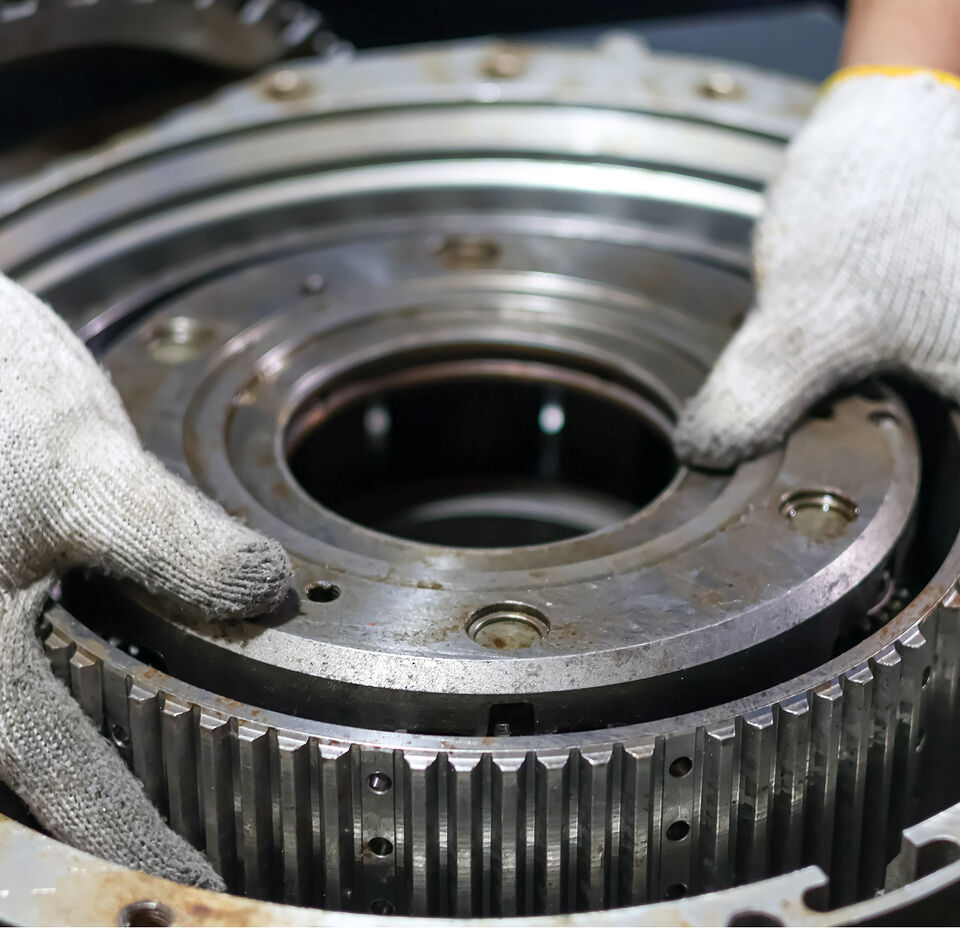
A failing torque converter doesn't stay isolated. Metal debris from a worn converter circulates through the transmission fluid and can damage clutch packs, valve bodies, and other internal components. What starts as a manageable torque converter repair can turn into a full transmission rebuild if it's left too long.
Getting it looked at early also protects the rest of the drivetrain. Excess heat and slippage place additional load on the engine and transmission, which shortens the life of both. For commercial and industrial vehicles, an unreliable torque converter also means unplanned downtime, which costs more than the repair itself.
What to expect from our team
Marshall Transmissions & Automotive has been repairing and rebuilding torque converters and transmissions for New Zealand vehicle owners and operators for years. When you bring your vehicle or machine to us, you can expect:
- A clear diagnosis before any work begins, so you know what's actually wrong and what it will cost to fix
- Straight answers about whether a repair or a full rebuild is the right call for your situation
- Technicians who keep up with ongoing industry training and developments in transmission technology
- Experience across both private vehicles and industrial equipment, including forklifts, diggers, and trucks
- Workmanship backed by proper testing before your vehicle leaves our workshop
If your vehicle is shuddering, slipping, or just not shifting the way it used to, come in and let us take a look.
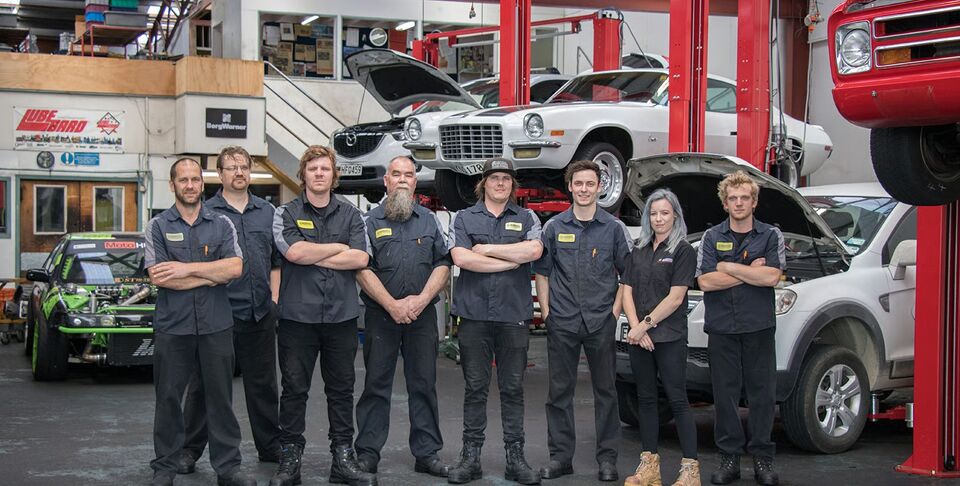
Over 40 Years of Expertise
Frequently Asked Questions
How do I know if it's the torque converter or something else in the transmission?
Symptoms like shuddering, slipping, and delayed engagement can point to several transmission issues, not just the torque converter. That's why we start with a full diagnosis rather than assuming. We check fluid condition, run diagnostic tests, and inspect the converter directly where needed, so you're only paying to fix what's actually wrong.
Can a torque converter be repaired, or does it always need replacing?
It depends on the extent of the wear or damage. Many torque converters can be rebuilt by replacing worn seals, bearings, and clutch material, then resurfacing and balancing the unit. In cases of severe internal damage or a cracked housing, replacement is the more practical and cost-effective option. We'll explain which applies to your situation before starting any work.
How long does a torque converter rebuild take?
Most torque converter rebuilds take a few days, depending on parts availability and how much of the transmission needs to come apart to access the converter. For industrial equipment like forklifts and diggers, we'll factor your operational needs into the timeline where we can, since we know downtime affects your business.
Is it worth repairing an older vehicle's torque converter, or should I just replace the vehicle?
In most cases, torque converter repair is significantly cheaper than replacing a vehicle, and a properly rebuilt converter will perform as well as new. The main thing to weigh up is the overall condition of the transmission and vehicle. We'll give you an honest assessment so you can make that call with full information, rather than guessing.
Do you work on torque converters for industrial machinery, not just cars?
Yes. We repair and rebuild torque converters for industrial vehicles including forklifts, diggers, and trucks, in addition to private automotive vehicles. The diagnostic and rebuild process follows the same principles, though industrial units are often built to handle higher loads and different duty cycles.
What happens if I keep driving with a failing torque converter?
Continuing to drive on a failing torque converter risks spreading metal debris through the transmission fluid, which can damage other internal components. This turns what might have been a straightforward converter repair into a more extensive and costly transmission rebuild. It also places extra strain on your engine, so addressing symptoms early is the more economical choice.