
Over 40 Years of Expertise
What Is Battery Testing & Replacement?
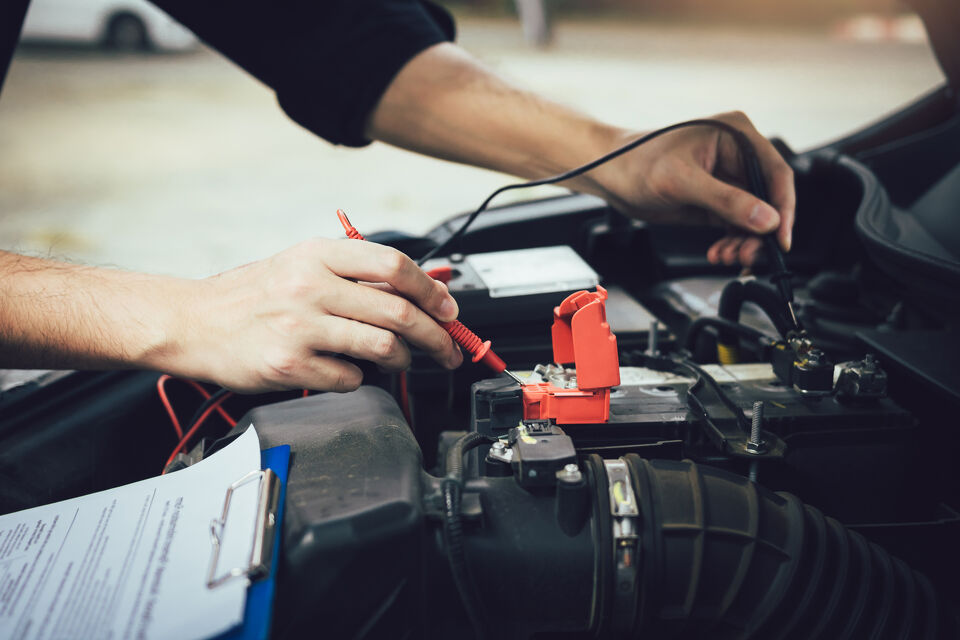
Battery testing and replacement is a diagnostic and service process that checks whether your vehicle's battery is still holding an adequate charge, and replaces it if it isn't. It's not just about swapping an old battery for a new one. A proper test measures the battery's actual condition against its rated capacity, checks the charging system that keeps it topped up, and confirms the terminals and connections are in good order.
Most manufacturers recommend replacing a car battery every 3 to 4 years, but battery life varies with driving habits, short trips, extreme temperatures, and the electrical load your vehicle carries (think heated seats, sound systems, and dash cameras). Testing tells you where your battery actually sits, rather than relying on guesswork.
What's Included in Our Battery Service
Our team at Marshall Transmissions & Automotive carries out a full battery health check as part of every service, and offers stand-alone testing and replacement for Hamilton and Waikato drivers.
This includes:
- A load test to measure the battery's true capacity against its rated output.
- A check of cold cranking amps (CCA) to confirm the battery can start your engine in cold conditions.
- Inspection of terminals, clamps, and cables for corrosion or looseness.
- A charging system check, including the alternator, to rule out a fault that's draining the battery rather than the battery itself being at fault.
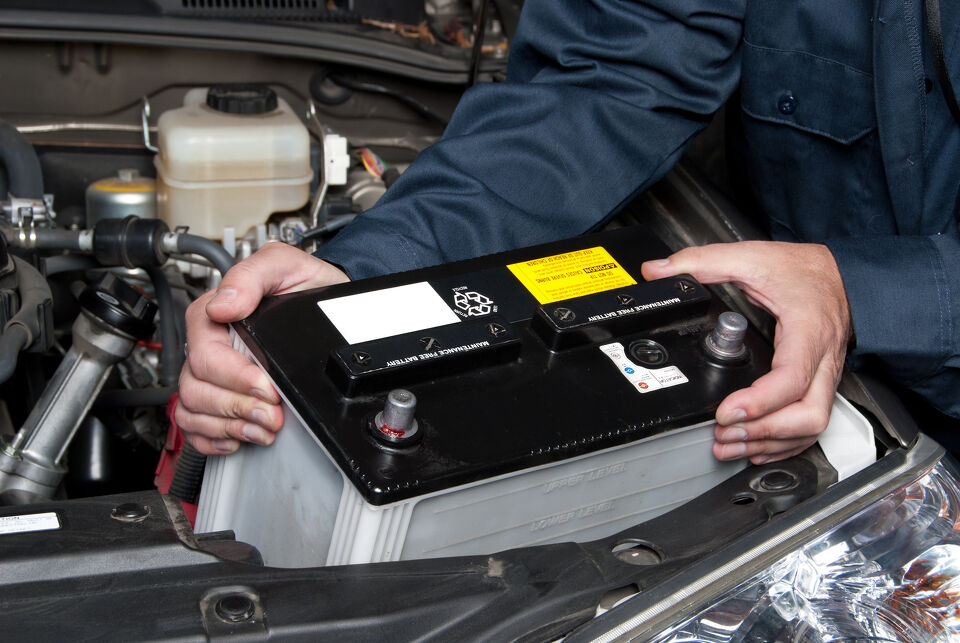
- Supply and fitting of a correctly specified replacement battery, matched to your vehicle's make, model, and electrical requirements.
- Safe disposal or recycling of your old battery.
We work on all makes and models — Japanese, European, American, and everything in between.
Common Signs You Need a New Battery
A battery rarely fails without warning. Watch for:
- Slow or laboured cranking when you turn the key, especially first thing in the morning.
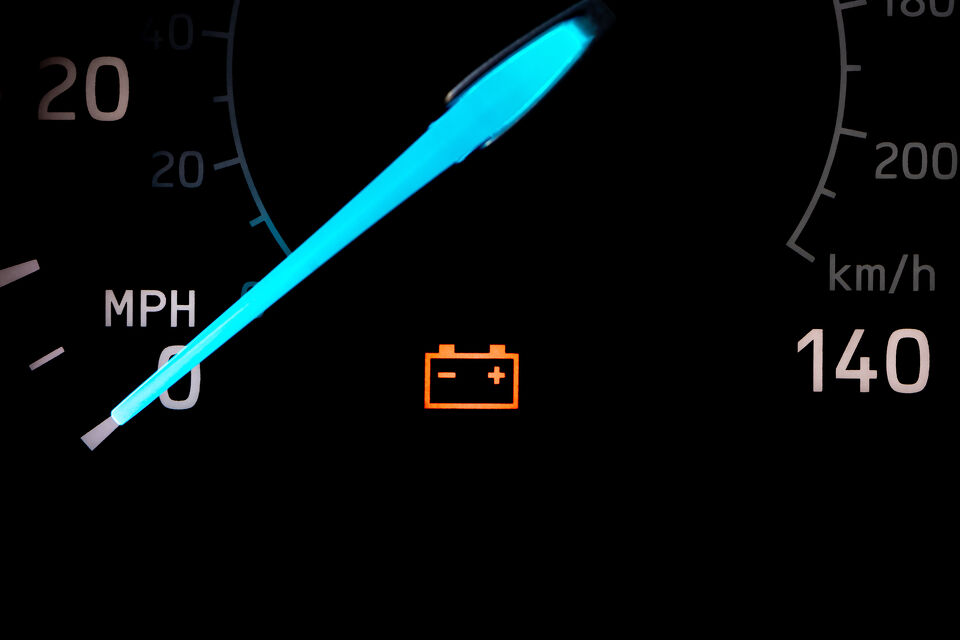
- Dashboard warning lights, particularly the battery light, appearing intermittently.
- Dimmer headlights or interior lights, especially when the engine is idling.
- Electrical accessories (power windows, radio, central locking) behaving sluggishly or resetting.
- A clicking sound instead of the engine turning over.
- A swollen, misshapen battery case, or a sulphurous, rotten-egg smell near the engine bay.
- A battery that's 3 years or older and hasn't been tested recently.
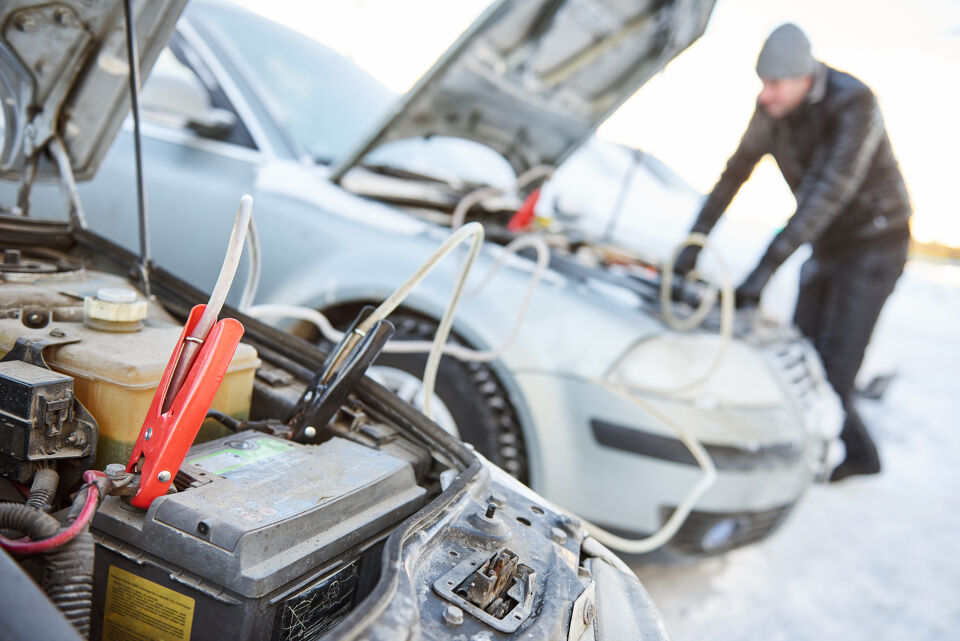
If you're noticing any of these, it's worth getting the battery checked before it fails completely, ideally at a time that suits you rather than on the side of the road.
Why Battery Health Matters
A failing battery doesn't just leave you stuck. It affects the rest of your vehicle too.
- Starting reliability. The battery supplies the current your starter motor needs. As capacity drops, starting becomes harder, especially in cold weather or after the car has sat for a few days.
- Electrical performance. Everything from your headlights to your engine management system relies on stable voltage. A weak battery can cause dim lights, erratic electronics, and in some cases, fault codes that have nothing to do with the actual part they point to.
- Component protection. A battery in poor condition can leak or corrode, and that corrosion can spread to terminals, cables, and nearby components, turning a straightforward battery replacement into a more involved repair.
- Safety. An old or damaged battery carries a small but real risk of overheating or, in rare cases, rupturing. Replacing a battery that's showing signs of wear reduces that risk.
- Avoiding it becoming an emergency. A battery that's tested and replaced proactively is a planned job. One that fails on the road is a breakdown, often at the least convenient moment.
What to Expect From Our Team
Marshall Transmissions & Automotive has been part of the Hamilton motoring scene for decades, working out of our Frankton workshop on transmissions, gearboxes, and general mechanical repairs. Battery testing and replacement is handled by the same qualified team, so it's assessed properly rather than treated as an afterthought.
When you bring your vehicle in, we'll test the battery and the charging system, explain what we find in plain terms, and give you a straightforward recommendation. If a replacement is needed, we'll fit one suited to your vehicle and confirm the charging system is working correctly before you leave. We also work with insurance clients and can advise on WINZ referrals where applicable.
Book a battery test or replacement with Marshall Transmissions & Automotive today, and get back on the road with confidence.
Marshall Transmissions & Automotive
78 Greenwood Street, Frankton, Hamilton 3204
Freephone: 0800 22 8000 | Phone: 07 847 2799
Email: [email protected]

Over 40 Years of Expertise
Frequently Asked Questions
How long does a car battery test take?
A standard battery and charging system test takes around 15 to 20 minutes. If you're already booked in for a service, we'll usually include it as part of that visit at no extra time cost to you.
How do I know if it's the battery or the alternator that's failing?
A failing battery typically shows symptoms when the car has been sitting, such as slow starting after being parked overnight. A failing alternator tends to show symptoms while driving, such as dimming lights or warning lights appearing after the engine has been running for a while. Because the two systems affect each other, we test both together rather than assuming which one is at fault.
Can I just replace the battery myself?
You can, but fitting the wrong specification battery, one with insufficient cold cranking amps or the wrong physical size and terminal layout, can cause starting problems or damage to your vehicle's electrical system. Some newer vehicles also require the battery to be registered with the car's computer after replacement, which needs specific equipment. We recommend having it tested and fitted by a qualified technician.
How often should I get my battery tested?
We recommend a battery test at every scheduled service, or roughly every 12 months, and more frequently once the battery passes the 3-year mark. If you notice any warning signs, such as slow starting or dimming lights, get it tested straight away rather than waiting for your next service.
Does cold Hamilton weather affect battery life?
Yes. Cold conditions increase the current needed to start your engine while reducing the battery's ability to deliver it, which is why batteries that are already weakening tend to fail in winter. If your battery is nearing the end of its expected life heading into the colder months, it's worth testing it beforehand rather than waiting for a cold snap to catch it out.
What happens to my old battery?
We dispose of or recycle old batteries responsibly. Car batteries contain lead and acid, and they should never go into general rubbish. We handle the disposal process as part of the replacement service.